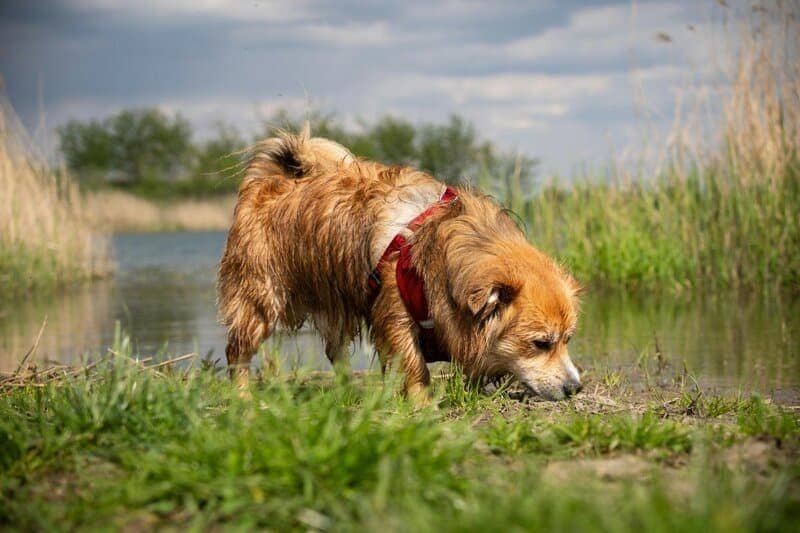
A dog’s nose is a true sensory superpower. Dogs can detect thermal radiation, sensing warm objects in cool surroundings—a skill once thought limited to vampire bats. A 2020 study from Sweden confirmed this remarkable ability, showing that dogs’ heat-sensing and olfactory power are unmatched among mammals.
Their cold, wet noses enhance smell detection, while specialized nasal structures enable dogs to process scents 10,000 times better than humans. This combination of temperature sensitivity, extraordinary olfactory receptors, and canine biology gives them a super sense humans can’t match. From tracking hidden scents to sensing emotions, the dog’s sense of smell is a mix of natural design, biological adaptation, and animal intelligence.
Let’s explore the science of smell in dogs, fascinating facts about dogs, their noses, their olfactory system, and why this sense is so powerful compared to humans.
How a Dog’s Nose Works
A dog’s nose is a biological super-sensor. Dogs have about 300 million olfactory receptors, compared to 6 million in humans, making their sense of smell 10,000 to 100,000 times more powerful. This high receptor density lets dogs smell while breathing, as airflow for scent detection is separated from respiration.
The olfactory bulb in a dog’s brain is 40 times larger than a human’s relative to size, processing scents with extraordinary speed and accuracy. Dogs can detect minute odors, such as one drop of blood in an Olympic-sized pool, demonstrating their remarkable olfactory ability.
High-resolution MRIs and studies by Brent Craven at Pennsylvania State University show how dogs’ nasal structure and canine olfactory receptors work together, guiding scent molecules efficiently. This natural design enhances their dog’s sense of smell, making it superior for tracking, detection, and understanding the environment — closely supported by their exceptional hearing abilities.
Why Dogs’ Sense of Smell is So Powerful
A dog’s sense of smell is 10,000 to 100,000 times stronger than humans’, thanks to 300 million olfactory receptors and an olfactory brain region 40 times larger than ours. This incredible anatomy allows dogs to detect faint odors, track overlapping scents, and identify specific smells with unmatched precision. Compared to humans, dogs’ noses are true biological superpowers, designed for extraordinary smell detection.
Their noses also feature a dual airflow system: one path carries oxygen to the lungs, while another directs scent molecules to the olfactory receptors. Special nose slits let exhaled air escape without disturbing incoming scents, enabling continuous sniffing. Research by Brent Craven at Penn State University highlights how this natural engineering makes dogs’ olfactory system highly efficient, giving them a remarkable ability to perceive and analyze smells that humans can barely imagine.
Why Do Dogs’ Noses Stay Wet?
A dog’s nose stays wet because a thin mucus layer traps scent molecules, enhancing olfaction and allowing dogs to detect even faint odors with remarkable accuracy. This moisture not only boosts their sense of smell but also helps regulate body temperature, since dogs don’t sweat like humans. While a dry nose isn’t always harmful, persistently dry or cracked noses can indicate dehydration or health issues, showing how a dog’s nose reflects both sensory power and overall well-being.
Why Dogs Sniff Everything They See
Dogs sniff everything they see because their sense of smell is their primary way of exploring the world. With around 300 million olfactory receptors, their noses continuously analyze odor molecules in the air, helping them detect scents, track objects, and interpret their environment. Sniffing is not just for detection—it’s a form of communication. Dogs “read” their surroundings, identifying familiar smells like their owners or other dogs, and assessing new scents such as food or strangers. Their nostrils work independently, allowing them to sense the direction of odors, while simultaneous inhalation and exhalation enhance continuous scent sampling. This remarkable dog sniffing behavior also supports practical tasks, from training and tracking to sensing emotions like fear or stress, making sniffing both an instinct and a critical survival tool.
How Dogs Identify and Track Scents
Dogs have an extraordinary ability to identify and track scents due to their specialized dog olfactory system. Air entering their nostrils splits into two paths—one for breathing and one for smelling—allowing continuous sniffing. With around 300 million olfactory receptors, dogs can trap odor molecules efficiently, while their olfactory bulb processes this information to isolate specific scents, even in complex environments.
This precise scent detection enables dogs to follow trails accurately. For example, search-and-rescue dogs can track a missing person across forests or urban areas by detecting faint scent particles. Their independent nostril movement helps determine scent direction, and sniffing during exhalation allows uninterrupted tracking. This remarkable dog’s smelling ability explains why detection dogs can locate explosives, identify diseases, and outperform humans thousands of times in scent recognition.
The Science Behind Their “Scent Memory”
Dogs have an extraordinary scent memory because their olfactory bulb and hippocampus store detailed odor information, allowing them to recall experiences through smell rather than sight. Each scent creates a unique “memory fingerprint,” which dogs can recognize even months or years later. For example, a rescue dog can remember the scent of a missing person days after training, enabling precise tracking, while fMRI studies show familiar smells activate joy and recognition in a dog’s brain. This combination of memory, emotion, and dogs’ smelling ability makes their sense of smell not just a detection tool but a sophisticated system for navigating and understanding the world.
Amazing Things Dogs Can Smell
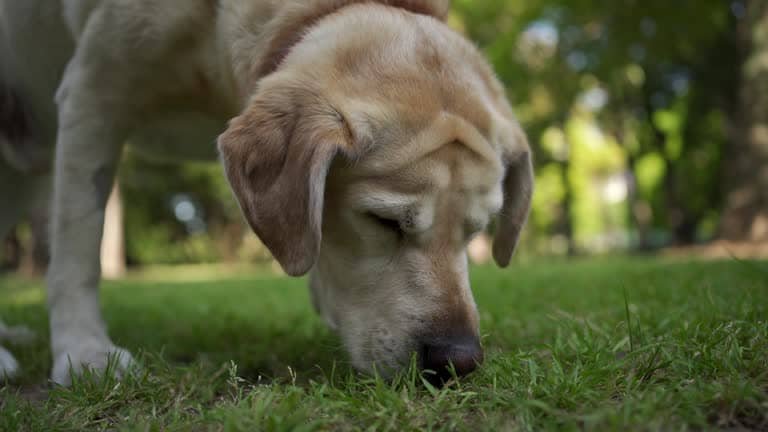
Dogs’ smelling ability is truly extraordinary, thanks to up to 300 million olfactory receptors and an olfactory bulb 40 times larger than humans’, allowing them to detect microscopic scent molecules. Here are some incredible examples:
Cremated Remains & Burnt Ashes
Trained dogs, like those used by the Alta Heritage Foundation, can locate human ashes even after wildfires. Their noses distinguish between burnt wood and human remains at fire sites, providing emotional closure for homeowners and families.
Human Diseases
Medical detection dogs can sniff illnesses such as cancer, diabetes, malaria, and COVID-19. Studies show dogs can detect certain diseases with over 95% accuracy, sometimes before medical tests can confirm them.
Search & Rescue / Law Enforcement
Dogs track missing people, explosives, narcotics, or currency. Their dogs’ smelling ability surpasses human technology in complex environments, making them essential for police and rescue operations.
Truffles, Wildlife, & Emotions
Dogs can detect truffles underground, sense wildlife, and even pick up human emotions like fear, stress, or happiness by analyzing subtle scent changes in body chemistry.
Everyday Scent Recognition
Dogs use smell to navigate, communicate, and recognize familiar humans, other animals, or objects from long distances, demonstrating how far a dog can smell in real-world scenarios.
What Affects a Dog’s Sense of Smell
A dog’s smelling ability can be influenced by several factors, both temporary and permanent. Nasal blockages, colds, allergies, bacterial or fungal infections, and foreign objects can temporarily diminish a dog’s ability to detect scents. Age-related changes, nasal tumors, neurological conditions, or cancer of the nose may cause a more permanent loss of smell. Environmental factors like temperature, humidity, air pollution, strong perfumes, smoke, or chemicals can also interfere with scent particles, making it harder for dogs to track odors accurately. Even dental infections or oral bacteria can affect the nasal passages, reducing olfactory performance. Owners may notice behavioral signs such as reduced interest in sniffing, difficulty finding treats, or anxiety, indicating compromised scent detection. Maintaining clean air, regular vet checkups, and avoiding irritants can help preserve a dog’s natural olfactory power.
How Humans Are Learning from Dogs’ Sense of Smell
Humans are increasingly learning from dogs’ extraordinary sense of smell to design better detection technologies. Researchers study canine olfactory receptors, nasal airflow patterns, and brain odor mapping to understand how dogs detect scent concentrations as low as one part per trillion—far surpassing human ability. For example, AI-powered sensors trained on canine sniffing patterns can distinguish COVID-19 or cancer signatures from breath or sweat samples, while engineers modeling dog nostril airflow—drawing from studies like the 2020 Swedish research—have improved robotic scent detection for search-and-rescue missions. These innovations show how insights from dogs’ sense of smell vs humans are directly shaping technologies that save lives and enhance odor-based detection.
Tips: How to Nurture & Stimulate Your Dog’s Smelling Ability
Sniffing is not just curiosity—it’s vital for a dog’s mental and emotional health. Dogs use their noses to explore, communicate, and understand the world. Here’s how to nurture this natural ability:
- Allow Plenty of Sniffing Time: During walks, let your dog stop and explore scents freely. Parks, farms, or new routes provide rich sensory experiences that enhance mental stimulation.
- Introduce New Scents: Use scent-based toys, treats hidden in different locations, or safe natural aromas to engage their olfactory receptors and boost exploration.
- Encourage Social Sniffing: Let your dog sniff other dogs, people, or safe environments. This improves social behavior and emotional enrichment through natural communication.
- Use Dog Pheromone Products: Scent sprays or diffusers release calming pheromones that help anxious pups feel secure while still engaging their sense of smell.
Monitor Health and Behavior: If your dog suddenly shows less interest in sniffing or has a reduced response to scents, consult a veterinarian. Changes in smelling ability can indicate health concerns.