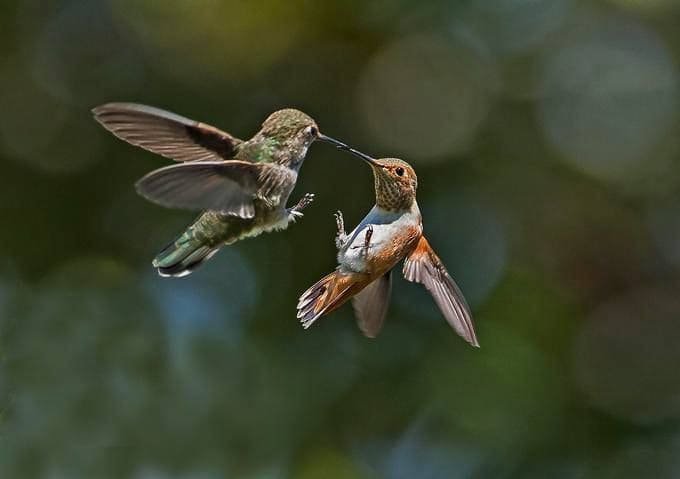
Hummingbirds fight for one simple reason: survival. With one of the fastest metabolisms in the animal world, they burn energy so quickly that every sip of nectar matters. This article shares rare facts, biology insights, and clear explanations about hummingbird territorial behavior, why they chase each other, and what these fast little battles really mean.
The Main Reason Hummingbirds Fight
Hummingbirds fight because their survival depends on protecting reliable nectar spots. Their high metabolism forces them to refuel constantly, so instinct drives them to defend the best flowers or feeders from aggressive competitors. In the field, you’ll often see one bird guarding the airspace while chasing any intruder that threatens its energy supply.
Quick facts:
- They defend nectar sources when energy pressure is high, especially before migration or during breeding.
- Aerial displays, buzzing wings, tail flicks, and dive-bombs are signals used to intimidate rivals.
- Dominant birds control prime feeding territory, while others retreat to avoid burning too much energy.
Do Hummingbirds Fight Over Feeders?
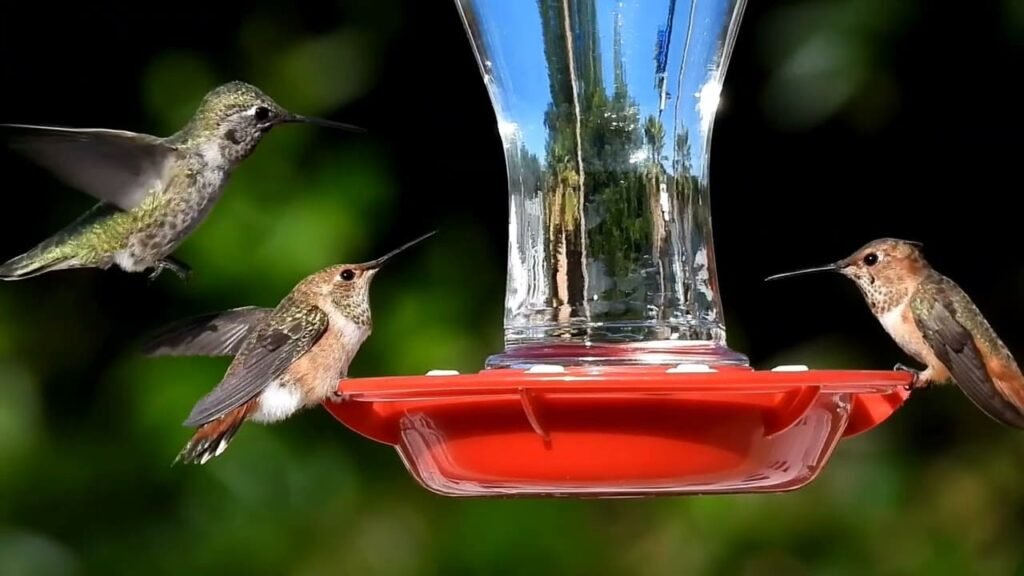
Hummingbirds clash at feeders because these spots pack rich nectar into a tiny space, and instinct tells them to defend it. Even when a feeder is full, a dominant bird may guard it like personal territory, dive-bombing newcomers and chasing younger birds away—especially during breeding season or when they’re bulking up for migration.
What makes feeders a “battle zone”:
- High-density feeding spots trigger territory defence, dive attacks, and hovering aggression.
- Males treat nectar-rich feeders as high-value resources, guarding perches and launching aerial chases.
- Close spacing, dirty feeders, or too many birds at once increase competition and clashes.
How Do I Stop Hummingbirds From Fighting?
A few small changes can create calmer feeding spots in your yard.
- Add multiple feeders so no single bird can control one.
- Spread feeders apart and keep them out of sight from each other using trees or corners.
- Use multi-port or saucer feeders to let several birds feed at once.
- Remove perches if a dominant bird guards them.
- Keep nectar fresh and clean to reduce stress.
- Plant nectar flowers to naturally spread food sources.
Are Hummingbird Fights Dangerous or Deadly?
Most hummingbird clashes look dramatic, but they rarely cause real harm. Most are fast chases, flashes of colour, and sharp vocal warnings. In field notes, I’ve seen smaller birds drop away immediately because the energy cost of actual combat is simply too high. Serious injuries can happen, but they are incredibly uncommon.
What actually happens:
- Brief chases and defensive dives, not full attacks
- Vocal warnings and quick “get away” flights
- Subordinate birds escape instead of fighting back
- Rare reports of mid-air collisions or prolonged battles
- Fatal encounters are possible but incredibly rare
What Causes Their Aggression?
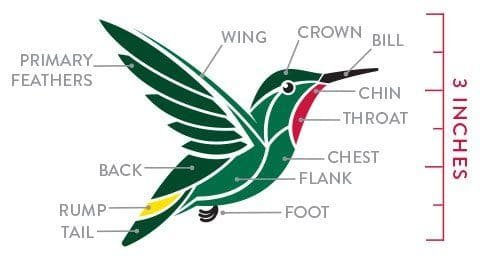
Hummingbird aggression comes from simple biology: they run on a hyper-fast metabolism and must refuel constantly, so any threat to nectar feels like a threat to survival. Their heart can beat over 1,200 times per minute, and that high energy demand—combined with breeding-season hormones and pre-migration feeding—pushes them to defend flowers, feeders, and flight space. You’ll often see quick chases, dive moves, and sharp “non-harm” displays that look intense but are mainly dominance signals
| Driver | Why It Triggers Aggression |
| High metabolism | Constant need for sugar energy |
| Breeding season | Males compete for mates and territory |
| Food scarcity | Birds guard nectar when the supply drops |
| Migration prep | Extra feeding to build fat reserves |
How to Reduce Fighting at Your Feeders
When food feels abundant, hummingbirds calm down. The goal is to give them more space, more nectar, and fewer reasons to guard one spot. I’ve seen even the feistiest males settle when feeders are spread out and hidden from each other.
Best ways to reduce aggression:
- Place feeders far apart or behind shrubs to block direct sightlines
- Add more feeding stations to reduce competition
- Use multi-port or circular feeders for shared access
- Keep nectar fresh and feeders full (half-empty feeders trigger guarding)
- Grow nectar-rich plants in different yard zones to spread natural food sources