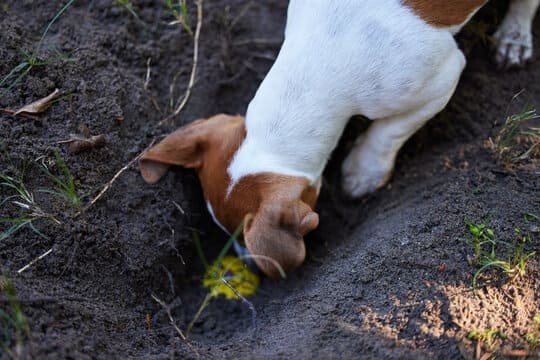
Dogs dig holes in the yard mainly due to instinct, boredom, temperature regulation, or emotional needs. In most cases, digging is normal canine behavior – not a sign of bad manners. If your yard suddenly looks damaged, you are not alone.
Digging stems from behaviours deeply wired into a dog’s biology. From hunting instincts passed down from wolves to simple ways dogs cool their bodies, science explains this habit clearly. This guide covers why dogs dig, when it is normal, when it becomes a problem, and how to manage it safely.
What Does It Mean When a Dog Digs Holes in the Yard?
When a dog digs holes in the yard, it usually reflects instinctive behavior rather than disobedience. Many dogs dig simply because it feels natural and rewarding.
From a behavioural science perspective, digging becomes a “problem” only when it causes damage, injury, or escape risk. Dogs interact with their environment using survival-based behaviours. Understanding the reason behind digging makes it easier to manage rather than constantly trying to stop it.
Key points:
Digging is an instinctive behavior
It becomes risky when it leads to escape or injury.
Understanding the cause helps prevent future digging.
The Main Reasons Why Dogs Dig Holes in the Yard
Dogs dig for specific reasons related to instinct and daily needs. Once you identify the cause, the behavior becomes easier to handle.
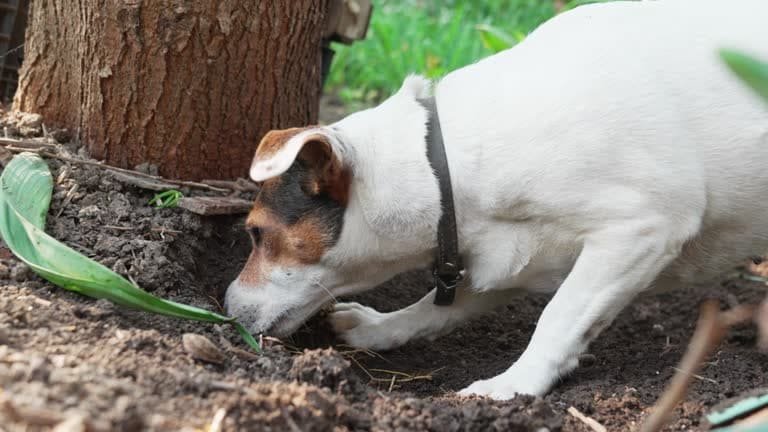
Excess Energy and Boredom
Dogs with unused energy often dig to stay busy. This is common in active or working breeds left alone for long periods.
Caused by a lack of exercise
Used as self-entertainment
Natural Instincts (Hunting and Den-Making)
Digging is deeply rooted in canine instincts. Dogs dig to search for prey or create den-like spaces. This behavior comes from wolf ancestors.
Triggered by the smell of rodents
Strong in terriers and hunting breeds
Cooling Down in Hot Weather
Dogs dig to reach cool soil below the surface. Lying in shallow holes helps lower body temperature.
Common during the summer
Frequent in thick-coated breeds
Anxiety or Stress
Some dogs dig when anxious or scared to be alone. Digging helps release nervous energy and may lead to escape attempts.
Linked to separation anxiety
Acts as stress relief
Attention-Seeking Behavior
Dogs repeat behaviours that get a reaction. Even negative attention can reinforce digging.
Learned over time
Reinforced by the owner’s response
Most digging is communication – not bad behavior
Why Is My Dog Digging Holes All of a Sudden?
Sudden digging often happens due to instinct triggers or environmental changes. Terriers and similar breeds are genetically wired to dig and chase vermin underground.
Dogs may also dig more when bored, left outside too long, or during hot weather. Instead of stopping digging completely, guide it by offering an approved digging area with sand or toys.
Is This Normal in Female Dogs?
Yes. Female dogs may dig due to comfort needs or natural nesting behavior.
Genetically inclined breeds dig more.
Bored dogs dig to stay occupied.
Nesting behavior is expected.
Why Do Dogs Dig Holes in the Yard at Night?
Dogs dig at night because hunting instincts increase after dark. Underground animals become more active, triggering prey drive.
Night digging can also signal excess energy or escape behavior, especially in dogs lacking exercise or supervision.
Strong instincts activate at night.
Bored dogs release energy through digging.
Are Some Dog Breeds More Prone to Digging?
Yes. Some breeds are more likely to dig due to their original purpose.
| Breed Group | Examples | Why They Dig |
| Terriers | Jack Russell, Fox, Yorkshire | Hunt prey in burrows |
| Arctic Working Breeds | Huskies, Malamutes | Create shelter, cool soil |
| Hounds | Beagles, Dachshunds | Follow underground scents |
| Herding Breeds | Border Collies, Australian Shepherds | High energy, boredom |
Individual dogs vary. Training, mental stimulation, and exercise can redirect digging effectively.
Is Digging a Sign of an Unhappy or Bored Dog?
Digging is not always negative, but constant digging may signal boredom or anxiety. Dogs carry instinctive behaviours from wolf ancestors, including hunting and den-making.
Dogs often dig due to a lack of mental stimulation rather than unhappiness. With proper exercise and enrichment, digging can be reduced.
Signs Your Dog May Be Unhappy
Digs mainly when alone or anxious
Shows excess energy or restlessness
Uses digging for anxiety relief
Why Do Dogs Dig on Beds, Couches, or Indoors?
Indoor digging comes from the same instincts as outdoor digging. Beds and couches feel like soft dens and provide comfort.
Dogs may dig indoors due to boredom, prey drive, or lack of exercise. Redirecting energy outdoors with toys and training keeps the behavior manageable.
How to Stop a Dog From Digging Holes (Safe & Humane Ways)
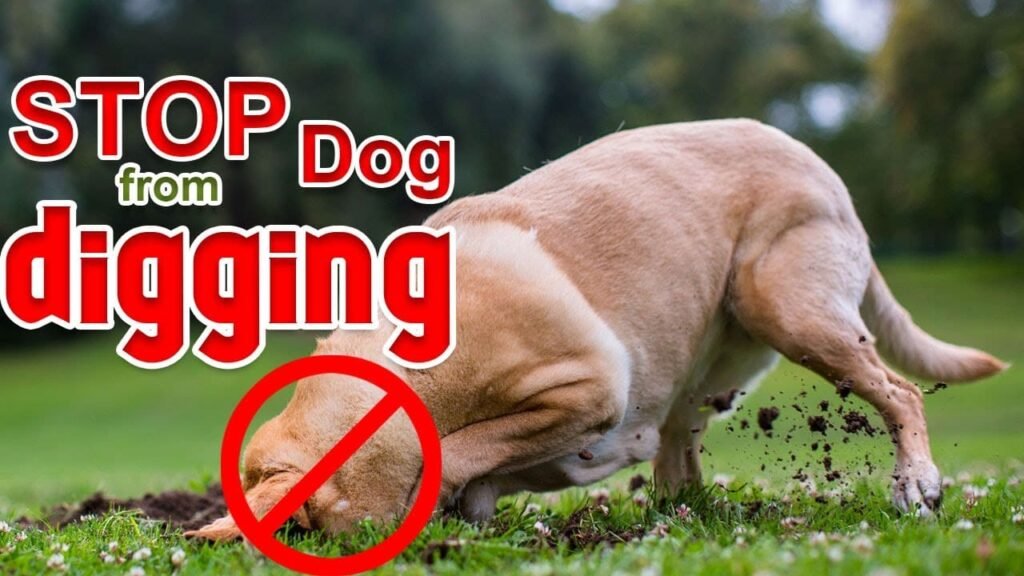
The best approach is to guide natural behavior, not suppress it.
Burn excess energy
Daily walks, play, and social interaction help reduce digging urges.
Add mental stimulation
Use puzzle toys, food-dispensing feeders, and short training sessions.
Supervise outdoor time
Supervision allows for early redirection.
Create a designated digging area.
Provide a loose-soil zone to satisfy digging instincts.
Redirect, don’t punish
Reward calm behavior and gently correct digging.
Manage the yard environment.
Remove digging triggers such as grubs or loose soil.
What NOT to Do When Your Dog Digs Holes
Do not punish digging.
Do not ignore the root cause.
Do not leave dogs isolated for long periods.
Do not use force-based training.
Digging is instinctive. Guidance and understanding build trust and long-term results.